
Insights • December 5, 2025
2026 Engineering & Construction Trends
The engineering and construction industry is always evolving, and 2026 is shaping up to be another year of growth. Advances in technology and shifting priorities throughout 2025 have redefined expectations for firms and clients, which will carry into the year ahead. Trends such as artificial intelligence, digitalization and data, human-centered design, and net-zero construction will be shaping processes and decision-making across the architectural, engineering, and construction (AEC) industry moving into 2026.
Artificial Intelligence
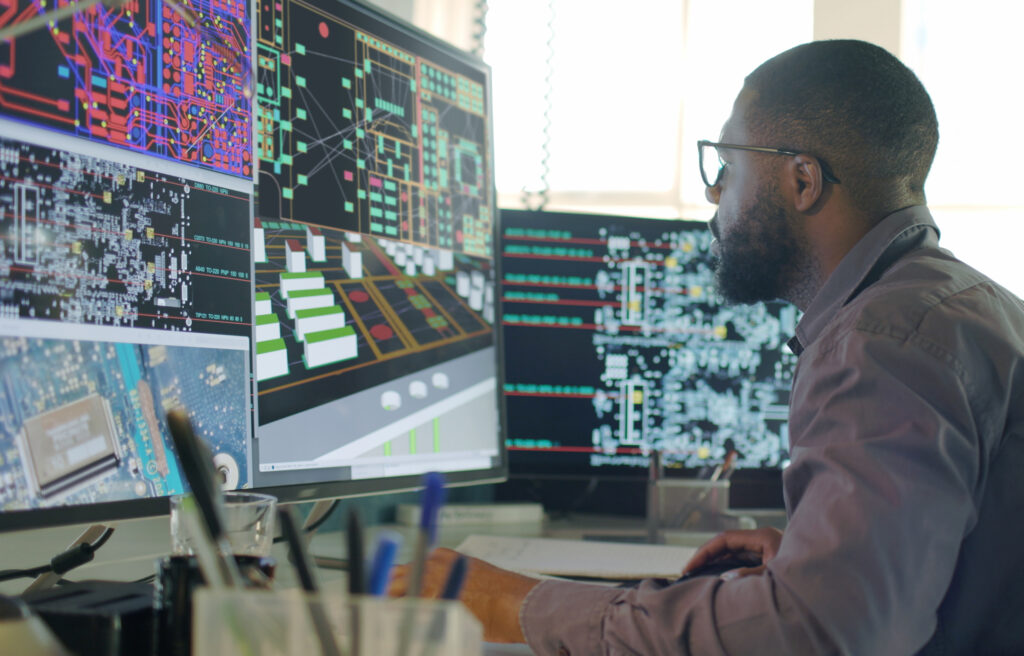
This growing reliance on AI is also influencing the types of projects being commissioned. Business sectors like healthcare, education, and retail are integrating AI into their daily operations and now need infrastructure to support these systems. As companies expand their use of AI, demand for new data centers continues to rise. These facilities require significant power, cooling, and space planning, creating new development opportunities across the industry. Current projections show that investment in new structures will increase by nearly 1.8% in 2026, driven in part by AI use and data center development.
Artificial intelligence became a routine part of life in 2025, and the AEC industry is adjusting along with it. AI now supports a wide range of engineering tasks. Civil engineers use it to monitor infrastructure health, study traffic patterns, and anticipate maintenance needs for roads and bridges. Mechanical engineers apply AI-enabled CAD tools to support generative design and identify potential failures earlier in the production process, while electrical engineers can use AI to improve circuit design, forecast energy demand, and detect faults across power systems.
Human Centered-Design
Human-centered engineering and construction design are becoming a stronger focus across the industry. At its core, this approach aims to create infrastructure that supports the comfort, safety, and everyday needs of the people who use it. Though not limited to these sectors, it plays an essential role in residential, healthcare, and education settings, where building conditions shape daily experiences, and in cities where transportation systems must accommodate a diverse range of users.
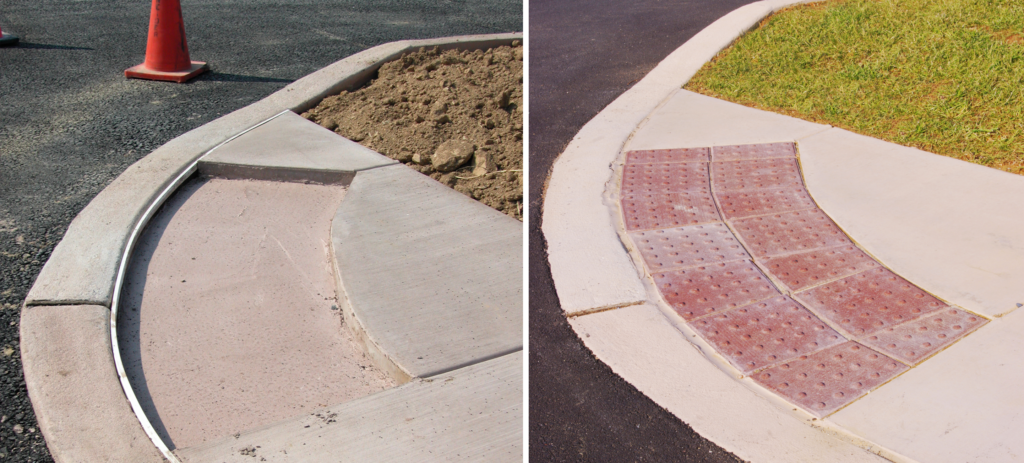
These ideas vary across engineering disciplines in their application and usage. In civil engineering, this design philosophy manifests in projects that focus on improving the ways people move through their communities. Through increasing roadway safety or making transportation more accessible, human-centered design can have an immediate impact on daily life. Milhouse applies this perspective to all transportation projects, such as the 71st Street Streetscape in Chicago, where we introduced ADA-compliant ramps and curbs, new bus pads, resurfaced sidewalks, improved crosswalk markings, and APS systems, all aimed at making the corridor easier and safer to navigate.
MEP design plays a similar role in building the environments people depend on every day. Ventilation, acoustics, and temperature can influence comfort and well-being as much as a space’s physical layout. This is a point of emphasis for Milhouse in our MEP design work, especially in education. At Kenwood Academy High School in Chicago, we replaced aging boilers and absorption chillers with modern systems that provide consistent, reliable temperatures for students and staff. Upgrades like these help ensure that the spaces students rely on are welcoming and functional.
When design responds to the needs of the people who use a space, it strengthens the connection between communities and the built environment. Human-centered design is expected to remain a significant trend in 2026 as clients continue to seek out building and infrastructure solutions that provide clear, measurable benefits to the community.
Digitalization and Data Reliability

Workflows and processes are moving toward a fully digital landscape in 2026, offering AEC firms an opportunity to use their digital tools more intentionally. Though a large amount of data is collected during a project cycle, a recent report shows that 96% of it goes unused, and 30% of engineering and construction companies are using applications whose systems are incompatible. As fully digital collaboration becomes the norm rather than the exception, the need for seamless integration across software is growing.
Several technologies are helping support this shift. Cloud-based simulation platforms enable engineers to collaborate in real time, and Internet of Things (IoT)-enabled devices offer ongoing visibility into field conditions. Product Lifecycle Management systems bring production and maintenance data into a single location, helping teams stay aligned throughout a project. When data is used to automate routine tasks and keep everyone up to date with live information, teams can limit delays and ensure decisions are based on current conditions. With these tools in place, development cycles can move more smoothly and designs can be refined with fewer interruptions. Digital workflows will continue to expand in 2026, strengthening the foundation for reliable, connected, and efficient project delivery.
Net-Zero Construction
Moving into next year, net-zero construction will remain a major priority in building design. New tools are giving engineers clearer ways to support net-zero goals during design and planning. Revit plug-ins like the Carbon Life Calculator connect directly to BIM models and help teams visualize embodied carbon, making it easier to identify reductions early in the process. This supports more informed choices around materials and quantities. Emerging materials such as hempcrete, algae bricks, and biochar-infused concrete, which are designed to draw carbon from the atmosphere, offer additional ways to lower a project’s carbon footprint.
There is also a new version of LEED certification that will be fully implemented in 2026. LEED, one of the most widely recognized and prestigious green building rating systems in the world, is introducing LEED v5. This update is meant to guide the industry toward a net-zero carbon future by putting more emphasis on decarbonization, quality of life, and ecological conservation. It also adds a Zero Carbon Certification option that allows projects to verify both operational and embodied carbon neutrality.
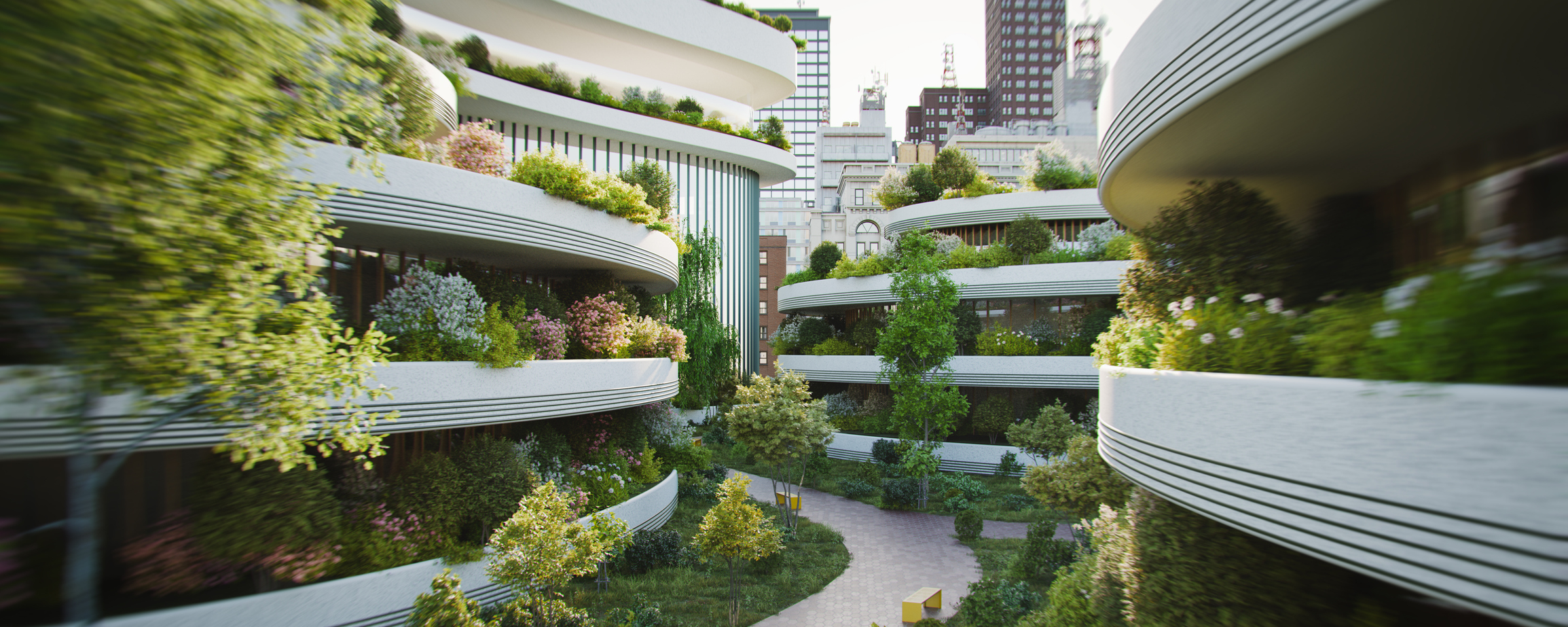
Overall, the AEC industry is moving toward a built environment that is more intelligent, connected, and centered on the needs of the people who use it. Milhouse is dedicated to the continuous application of these ideas in our design practices and to implementing these trends as they continue to take shape, aligning ourselves closely with community needs and support for clients’ sustainability goals. Firms that approach 2026 with readiness will be better positioned to bring these shifts into everyday practice, and by keeping pace with these changes, engineering teams can deliver projects that are resilient and responsive to the communities they serve.