
Insights • August 11, 2025
Inside the New Solutions for Stabilizing the Power Grid
The U.S. power grid is a $2 trillion network of generators, conductors, transformers, and cables that work together to reliably deliver electricity to consumers. A stable grid means that electricity can reach homes, hospitals, data centers, and businesses without interruption. Electricity can be delivered reliably because the grid is designed to balance supply and demand; however, this calibration can shift without warning due to weather conditions, equipment issues, or changes in energy consumption. Maintaining grid stability requires coordination and foresight, with engineers relying on a combination of forecasting tools, infrastructure upgrades, automation, and real-time monitoring to maintain system balance.
SCADA
One of the most important tools in this effort is Supervisory Control and Data Acquisition (SCADA). SCADA systems provide engineers with remote access to a network of sensors, circuit breakers, transformers, and field devices, allowing them to monitor voltage, current, frequency, and load conditions in real-time. With this visibility, operators can identify faults, isolate issues, and adjust operations to maintain uninterrupted service.
SCADA also plays a role in long-term grid stability. By continuously collecting data on equipment temperatures, voltage fluctuations, and load distribution, the system allows for predictive maintenance and early detection of potential failures, preventing minor problems from becoming widespread outages. Many engineers are now pairing SCADA with forecasting models powered by weather data, historical usage patterns, and market activity. These tools help dispatch power more efficiently and reduce the risk of overloading transmission lines.
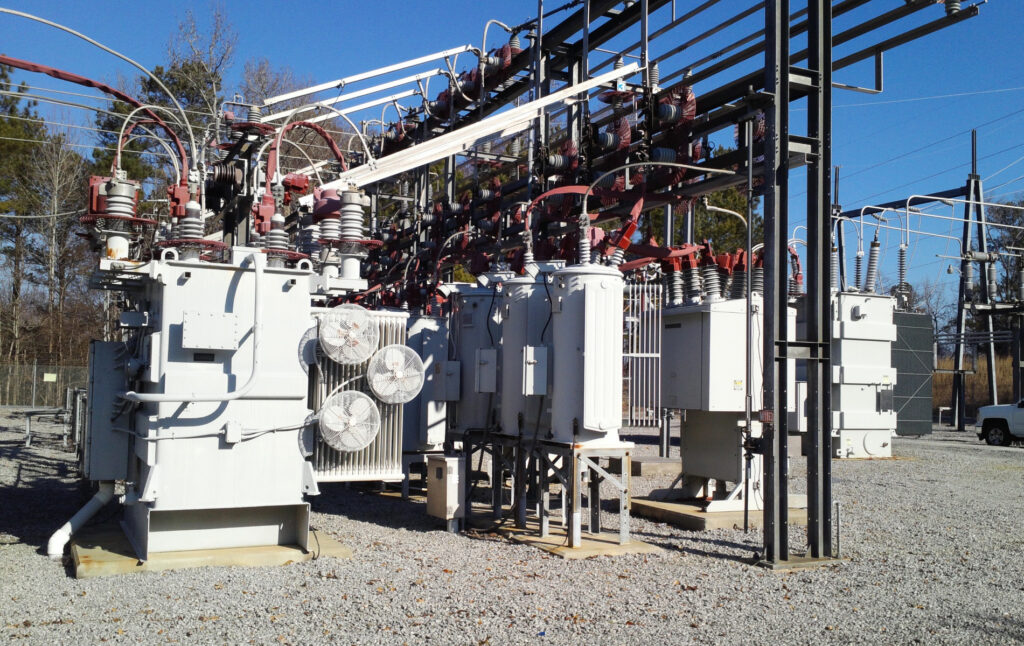
Milhouse has played a hands-on role in advancing these capabilities. As part of the TMC Breaker Replacement Program, we designed new feeder circuits for Southern Company to make them more reliable. The project included replacing aging 12kV to 46kV oil breakers with modern vacuum and SF6 gas circuit breakers, as well as upgrading relays, regulators, disconnect switches, and battery systems. Our integration of SCADA enhancements brought the substations up to modern standards and significantly improved circuit performance by reinforcing the grid’s ability to adapt and respond in real time.
Renewable energy is another tool for maintaining a stable grid, but it brings its own set of challenges. Unlike traditional power sources, solar and wind output can fluctuate throughout the day, driven by weather, sunlight, and wind conditions. To manage this variability, engineers rely on systems like SCADA to monitor performance, balance loads, and reroute power in real time. This level of control helps integrate renewable energy more smoothly, reduces waste, prevents overloads, and ensures that clean electricity is delivered reliably alongside conventional sources.
Milhouse has supported this transition through projects like the ComEd FEJA DeKalb Solar initiative. As part of Illinois’s Future Energy Jobs Act, which incentivizes solar development across the state, DeKalb Solar LLC built a new solar farm and sought interconnection with ComEd’s 13kV distribution system. Milhouse provided the complete distribution design and developed detailed construction drawings for relay upgrades. Our engineering teams helped connect the new solar resource to the grid, advancing both clean energy adoption and overall grid stability.
AI, Microgrids, and Battery Storage
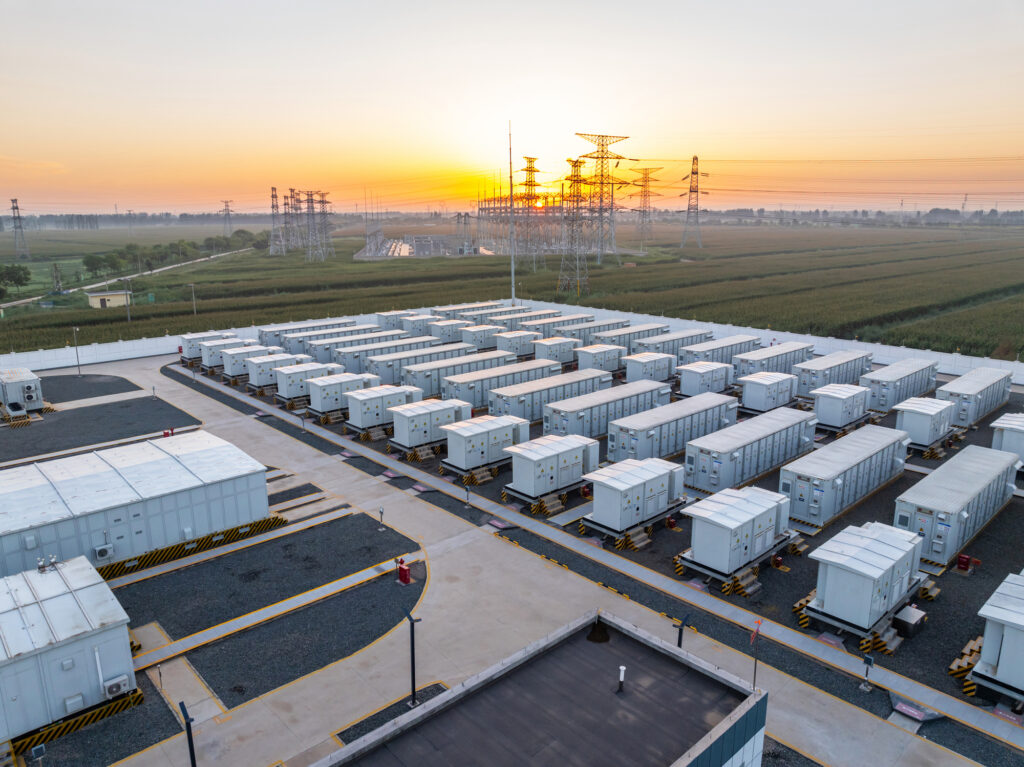
Artificial intelligence (AI) is reshaping the energy world. AI relies on data centers that demand large amounts of electricity. From 2018 to 2023, U.S. data center energy usage more than doubled, jumping from 1.9% terawatt-hours to over 4.4% of total national consumption. The Department of Energy estimates this could grow again by 2028, pushing data center demand to nearly 12% of the country’s electricity use.
To keep pace, utility companies are expanding their energy strategies, with battery storage one of the most effective tools for maintaining grid reliability. Unlike traditional generators, batteries can respond almost instantly, making them ideal for regulating frequency when demand suddenly surges or drops. In the U.S., where the grid operates at a steady 60 hertz, even minor fluctuations can trigger protective shutdowns. Batteries help prevent those disruptions by quickly injecting or absorbing power as needed. Batteries also serve as a backup when generators fail or demand spikes unexpectedly. During the summer of 2024, Texas faced extreme heat, but widespread blackouts were avoided. Utility-scale batteries supplied a record amount of power to the ERCOT grid, thanks to a 4,100% increase in battery capacity since 2020, now exceeding 5.7 gigawatts. This momentum is also fueling the growth of microgrids, which are localized power networks that can operate independently of the primary grid. Batteries make microgrids viable by providing immediate energy reserves. These systems offer a more decentralized, resilient approach to power delivery and are better equipped to withstand extreme weather. Milhouse’s power team helped create the world’s first microgrid cluster in Chicago’s Bronzeville neighborhood. We provided engineering services related to the environmental analysis of the microgrid, which opened in 2024 and now serves more than 1,000 customers across 17 buildings.
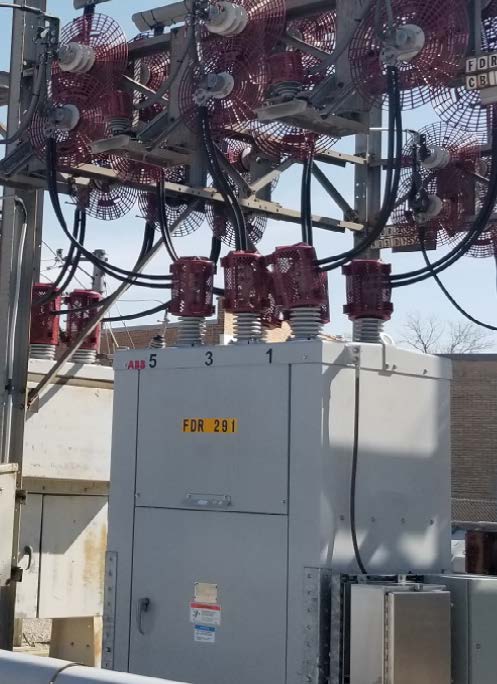
As the future of power and energy continues to evolve, maintaining grid stability requires forward-thinking solutions, such as renewable energy, batteries, and microgrids, along with the use of tools like SCADA to support them. Milhouse is helping utility companies meet that challenge through targeted infrastructure upgrades that improve performance and reduce risk. Our work on ComEd’s IP² Breaker Replacement Program focuses on replacing aging and unreliable grid components across Northern and Western Illinois. The project includes updating 12kV and 34kV oil circuit breakers with more efficient vacuum and SF6 gas models, installing new relay protection systems, modernizing disconnect switches, upgrading cable networks, and removing outdated SCADA wiring. These changes are designed to ease substation power loads, minimize maintenance needs, and improve overall reliability.