
Insights • September 9, 2025
Smart Traffic Management Systems, Improving Conditions for Drivers and Cities
As urbanization continues to grow across the country, new challenges emerge in traffic management and infrastructure. In 2024, the average U.S. driver lost 43 hours to traffic congestion, equivalent to over a full work week. Out of the top 15 cities in the world ranked for worst congestion, the United States had six. Chicago ranks third on the list, with drivers losing 102 hours and $1,826 annually to traffic jams.
As frustrating as traffic jams may be for drivers, they also present opportunities for transportation engineers and city planners to work on solutions to lower traffic congestion. One increasingly common strategy is the implementation of smart traffic management systems (STMS). These systems use technology to analyze traffic data and optimize flow and safety, with the primary goal being to enhance travel efficiency, reduce energy consumption, and improve safety for drivers and pedestrians. By integrating features such as adaptive traffic signals, smart monitoring technology, and predictive analytics, STMS are set to revolutionize the driving experience.
Adaptive Traffic Signals

Adaptive traffic signals utilize detection data and advanced algorithms to adjust signal timing in real-time. While these types of signals are widely used in the United Kingdom, Asia, and Australia, most traffic signals in the United States operate on a pre-timed system. This means that they do not use vehicle or pedestrian detection; instead, each traffic movement receives a fixed amount of time or follows a time-of-day sequence tailored to peak traffic commuting periods. These signals can lead to traffic bottlenecks and gridlocks since they are on a pre-fixed timer and do not account for real-time incidents like accidents, weather, or traffic flow. Adaptive traffic signals work by collecting and analyzing traffic data to identify potential improvements in signal timing. Engineers can then implement these improvements using adaptive signal control technology. Implementing adaptive traffic signals enables cities to respond swiftly to unexpected changes in traffic conditions, leading to better travel time reliability, reduced congestion and fuel consumption, more effective traffic signal timing, and better adaptability in proactive traffic signal operations by monitoring and addressing performance gaps.
Smart Monitoring Technology
The right data collection technology is needed to implement SMTS like adaptive traffic signals. One of these technologies is called the Internet of Things (IoT), which are “physical objects equipped with sensors and?software?that enable them to interact with little human intervention by collecting and exchanging data via a network.” Things we use daily, like smartphones and watches, security cameras, smart appliances, and lighting systems, are all considered IoT devices. In the context of SMTS, city governments can install IoT sensors, wireless sensors, RFID tags, and Bluetooth Low Energy (BLE) beacons on roads and highways to monitor vehicle movements, record, analyze, and share traffic data in real-time.
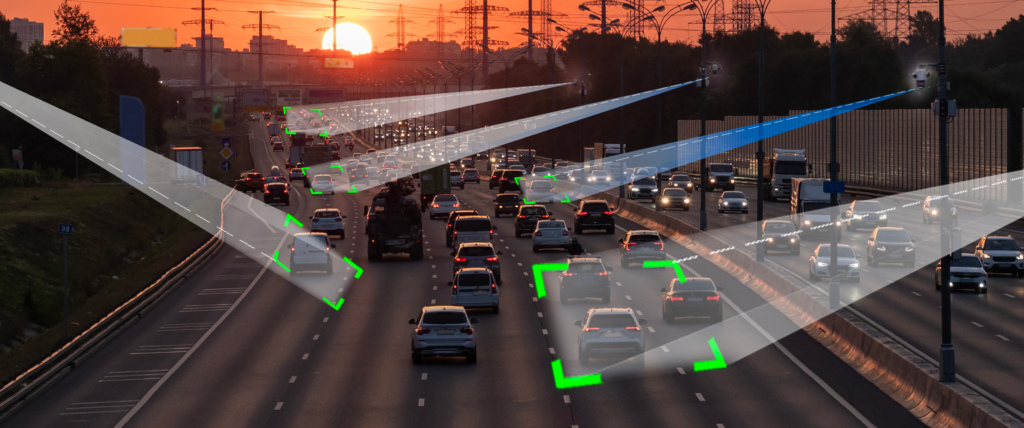
The data then connects to a Geographic Information System digital map and is transmitted to a control room via wireless sensors, enabling cities to gather data on congestion, enhance traffic signaling to reduce blockages, optimize commute times, and locate incidents. It also allows real-time adjustments to streetlight brightness according to changing weather conditions and the transition from day to night, leading to better visibility for drivers. Milhouse used data collection tools like these for Phase 1 Preliminary Engineering Services for the Cook County Department of Transportation and Highways (CCDOTH). We used data collection, traffic studies, capacity analysis, and intersection design studies to implement solutions that improved operations and enhanced transportation at the County Line Road at Carriage Way Drive / North Frontage Road Intersection.
Predictive Analytics

Predictive analytics is the “process of using data and models to predict what may happen in the future.” This method can improve traffic management by forecasting traffic volume and density, helping to manage vehicle movement, reducing congestion, and creating better traffic routes.” Engineers and city planners can use data analytics to pinpoint real-time incidents, foresee how these incidents will affect traffic conditions, and take steps to prevent gridlocks before they happen. This data comes from various sources, including popular mapping apps like Google Maps and Apple Maps, which offer real-time traffic updates. Other useful metrics include vehicle counts, speeds, and types of vehicles, like cars, trucks, and buses. Data can also come from IoT devices, like inductive loop detectors on the roads, high-resolution cameras for video monitoring, motion sensors that track movement, and radar technology that measures traffic flow. Predictive analytics have many benefits, including less traffic congestion and shorter commute times. They also improve traffic flow, reduce bottlenecks and enhance local air quality by minimizing idle times and emissions. Many cities in the United States are adopting predictive analytics for their road systems. The Nevada Department of Transportation (DOT) and the Florida DOT have created systems that use radar, loop detectors, and CCTV to collect data. These systems predict accident locations and assess the chances of accidents occurring based on real-time traffic and historical data. After implementing these systems and improvements, both departments have reported faster incident detection response times, allowing quicker action and safer roads. In Chicago, Milhouse provided civil engineering design services for the CCDOTH to lead a team of consultants in data collection, traffic studies, intersection design studies, and crash analysis at the 143rd and Ridgeland intersections. From our findings, we were able to recommend countermeasures to reduce crashes and improve traffic flow at the intersection.
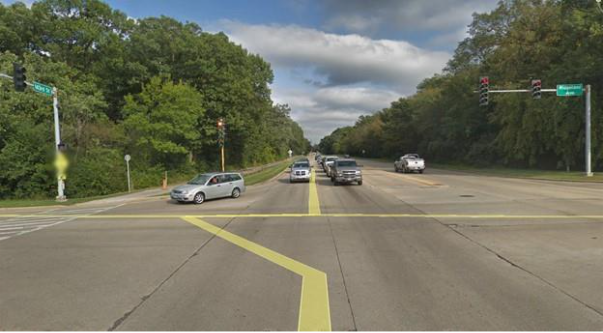
Implementing SMTS solutions in roadways saves drivers, businesses, and cities time, money, and resources. SMTS reduces commute times, saves drivers hours spent in their cars, and offers significant environmental and economic benefits. Drivers spending less time in their vehicles leads to lower emission pollution levels and reduced fuel consumption, thereby decreasing their carbon footprints. With less traffic congestion, businesses benefit from reliable delivery schedules, “ensuring goods arrive on time and logistical costs are reduced.” Smoother traffic flow can enhance property values in congested areas, attracting businesses and residents. SMTS also contributes to lower accident rates and makes roads safer for drivers and pedestrians. Milhouse is currently providing civil design services for CCDOTH and conducting data collection, capacity, crash, and safety analyses for various intersections in the county. Our data findings have led us to suggest traffic signal modernizations and replacements at the intersection, improving traffic conditions and safety for drivers in the area. We are committed to providing high-quality traffic management services that reduce congestion and stress for commuters and support businesses and cities in growing and flourishing because of improved traffic conditions.